
Trekking in Nepal is a remarkable experience that takes you through breathtaking mountain vistas, ancient trails, and rich cultural heritage. Nepal is home to some of the world's highest peaks, including Mount Everest, making it a dream destination for adventure enthusiasts. Whether you choose the popular routes of Annapurna and Everest Base Camp or venture off the beaten path to lesser-known regions like Langtang or Mustang, each trek offers its own unique charm. Along the way, you'll encounter friendly locals, charming villages, and diverse ecosystems ranging from lush forests to arid high-altitude landscapes. The combination of challenging trails, stunning scenery, and warm Nepalese hospitality makes trekking in Nepal an unforgettable journey of a lifetime.
Everest Base Camp Trekking
The Everest Base Camp Trek is popular for several reasons. First and foremost, it offers breathtaking views of the world's highest peak, Mount Everest, along with other majestic Himalayan peaks. The trek takes you through stunning landscapes, including picturesque valleys, rhododendron forests, and Sherpa villages, providing an opportunity to experience the unique culture and hospitality of the local people. It's a challenging adventure that attracts outdoor enthusiasts, nature lovers, and those seeking a once-in-a-lifetime experience.
To reach Everest Base Camp, you typically fly to Lukla, a small airstrip in the Everest region, from Kathmandu, the capital of Nepal. From Lukla, the trek begins, taking you through various villages and landmarks such as Namche Bazaar, Tengboche Monastery, and Dingboche. The trek usually takes around 12-14 days, allowing for acclimatization to the high altitude.
Experience an incredible journey filled with stunning mountain vistas, serene alpine environments, and encounters with the Sherpa people, who have a rich mountaineering heritage. The trek requires a moderate level of physical fitness and mental endurance. It involves walking for several hours each day, ascending steep inclines, and navigating rocky terrain. Altitude sickness is a significant challenge, as the trek reaches heights above 5,000 meters (16,000 feet). Proper acclimatization, adequate hydration, and listening to your body are essential to mitigate these risks. Weather conditions can also be unpredictable, so be prepared for cold temperatures and potential weather changes.
Overall, the Everest Base Camp Trek offers an unparalleled adventure, combining natural beauty, cultural experiences, and personal achievement, making it a bucket-list item for many adventurers around the world.
Annapurna Base Camp Trekking
It is highly regarded for its stunning landscapes, diverse flora and fauna, and breathtaking views of the Annapurna mountain range. The trek takes you through charming villages, terraced fields, rhododendron forests, and ultimately to the base camp located at an altitude of 4,130 meters (13,550 feet).
There are a few options to reach Annapurna Base Camp. The most common starting point is Nayapul, which is accessible by a scenic drive from Pokhara. Nowadays the options to reach Banthati directly via Jeep is also available but may not available during monsoon. From Nayapul, the trek heads towards Tikhedhunga, Ghorepani, and Poon Hill, offering panoramic sunrise views. From there, the trail continues through bamboo forests and reaches Machhapuchhre Base Camp before finally reaching Annapurna Base Camp. Alternatively, some trekkers opt for a direct way via Jhinu and back from similar way. Which helps you to reduce the number of days. Now directly fly back from Annapurna Base Camp is also possible on sharing basis. Whichever route you choose, the Annapurna Base Camp Trek promises stunning mountain views, cultural immersion with local communities, and an unforgettable experience in the heart of the Himalayas.
Annapurna Circuit Trekking
The Annapurna Circuit trails offers a diverse and awe-inspiring landscape, from lush green valleys to arid high-altitude terrain. Trekkers are treated to panoramic views of snow-capped peaks, including Annapurna, Dhaulagiri, and Manaslu, making it a paradise for nature enthusiasts and adventure seekers. The route also provides opportunities to immerse oneself in the local culture by passing through charming villages inhabited by Gurung, Thakali, and Tibetan communities.
However, the construction of roads in the region has had an impact on the Annapurna Circuit trek. While the roads have made it more accessible for transportation and local communities, they have also altered the traditional trekking experience. The presence of vehicles on the roads has led to increased traffic, dust, and noise pollution in some sections. Additionally, the construction of teahouses and lodges along the road has affected the natural beauty and tranquility of the area.
Despite these challenges, the Annapurna Circuit still retains its allure and remains a popular trekking destination. To preserve the natural beauty and serenity of the region, efforts are being made to encourage alternative trails and eco-friendly practices. Trekkers can still enjoy the breathtaking scenery, unique cultural experiences, and a sense of adventure that the Annapurna Circuit has to offer.
Manaslu Circuit Trekking
The Manaslu Circuit area in Nepal is incredibly rich both in natural beauty and cultural heritage. It boasts majestic mountain peaks, including the eighth highest peak in the world, Mount Manaslu. The region offers diverse landscapes, including lush forests, alpine meadows, glacial lakes, and remote Tibetan-influenced villages. Culturally, the area is home to ethnic groups such as the Gurungs, Tibetans, and Tamangs, who have preserved their unique traditions, languages, and religious practices.
To reach the Manaslu Circuit, one typically starts the trek from the town of Soti Khola or Machhakhola, which is accessible by road from Kathmandu. The trek circumnavigates Mount Manaslu, taking trekkers through picturesque villages like Deng, Samagaun, and Lho. After crossing the challenging Larkya La Pass, the route descends to Dharapani, where trekkers can either continue their journey towards the Annapurna Circuit Trekking or return to Kathmandu.
Overall, the Manaslu Circuit Trek offers a captivating blend of natural grandeur and cultural richness, making it a compelling choice for trekkers seeking an off-the-beaten-path adventure in Nepal.
Mardi Himal Trekking
Mardi Himal Trekking is popular among trekkers on a short time frame due to its stunning beauty and relatively shorter duration. The trek can be completed in about 5-7 days, making it accessible for those with limited time. The trail offers breathtaking views of the Annapurna and Dhaulagiri mountain ranges and takes trekkers through rhododendron forests and charming villages. The tea houses along the Mardi Himal route provide basic but comfortable accommodations, meals, and hot showers. However, facilities may be more limited compared to popular trekking routes. The route itself is well-marked but involves some steep sections and rugged terrain, so trekkers should be moderately fit and consider hiring a local guide for navigation and an enhanced experience.
Langtang Valley Trekking
The Langtang Valley Trek offers several impressive sights and experiences. Firstly, the scenic beauty of the Langtang region is remarkable, with snow-capped peaks, lush forests, and picturesque valleys. The trek takes you through charming villages inhabited by the Tamang people, allowing for cultural immersion and interactions. Kyangjin Gompa, a monastery located at an altitude of 3,870 meters, is a major highlight, offering panoramic views of Langtang Lirung and the surrounding Himalayan range. Additionally, the trek provides opportunities to explore the Langtang National Park, home to diverse flora and fauna, including rare species like the red panda.
In terms of difficulty, the Langtang Valley Trek is considered moderately challenging. The trek involves ascending and descending trails, and some sections may be steep and demanding. Altitude sickness can also be a concern, as the trek reaches heights above 4,000 meters. Proper acclimatization, physical fitness, and trekking experience are recommended. Hiring a local guide can be beneficial for navigation and ensuring safety. Overall, while it requires a certain level of fitness and preparation, the Langtang Valley Trek offers a rewarding experience for trekkers seeking natural beauty and cultural encounters in a less crowded region of Nepal.
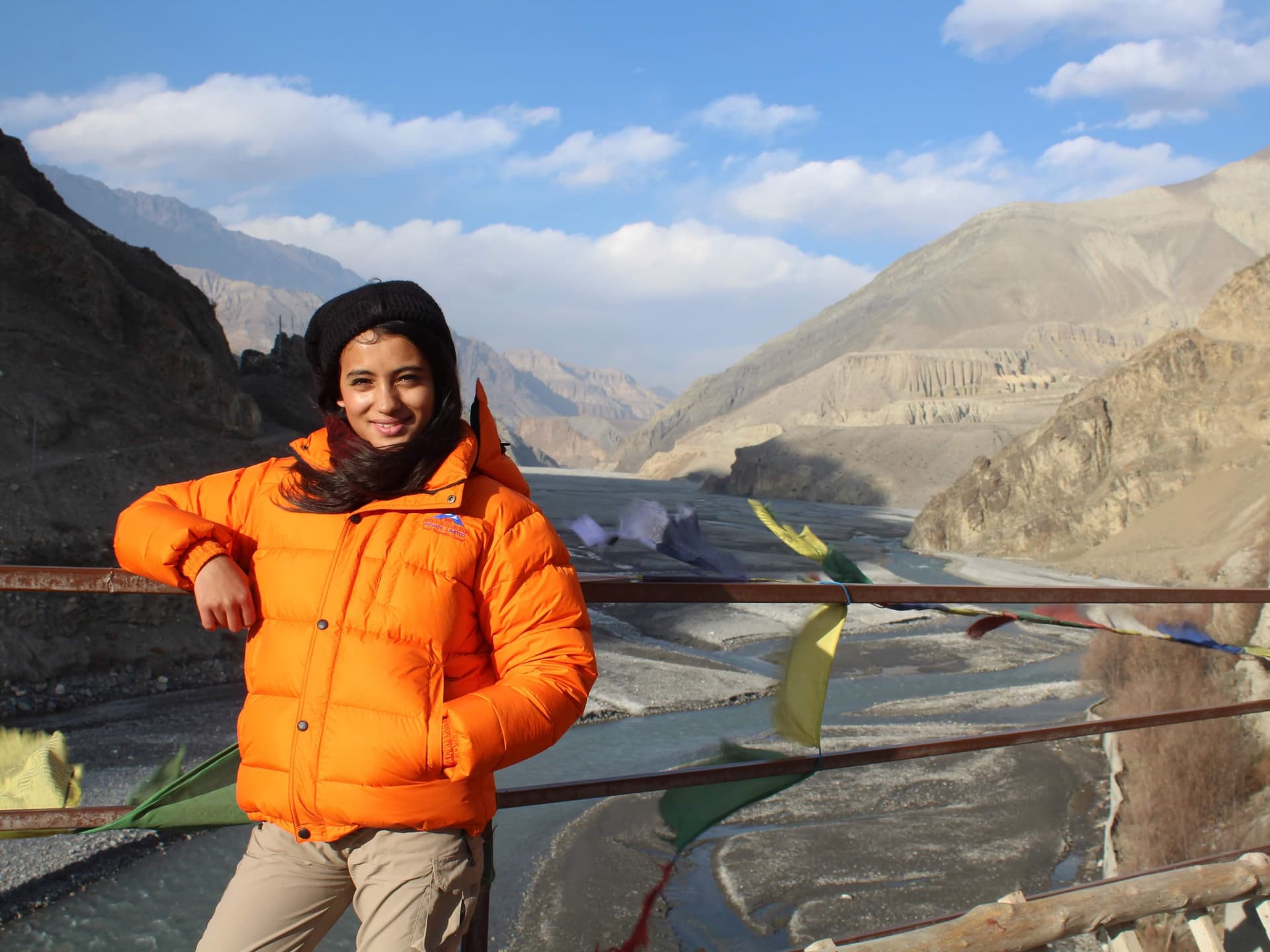
Upper Mustang Trekking
Upper Mustang is a remote and culturally rich region located in the north-central part of Nepal. It lies in the rain shadow of the Annapurna and Dhaulagiri mountain ranges, resulting in a unique arid landscape resembling a desert. Travelers have been able to visit Upper Mustang since 1992 when it was opened for restricted trekking, requiring a special permit.
The cost of visiting Upper Mustang can be relatively high compared to other trekking regions in Nepal. This is primarily due to the special permit fee imposed by the government to regulate tourism and preserve the cultural heritage of the area. The cost includes the permit fee, transportation, accommodation, meals, and guide charges.
The region is renowned for its ancient caves and monasteries, which hold immense historical and cultural significance. These caves, some of which date back thousands of years, contain intricate murals, religious artifacts, and ancient manuscripts. They serve as vital repositories of Tibetan Buddhist art and teachings, attracting scholars, historians, and spiritual seekers.
The construction of roads in the region has impacted the traditional trekking routes of Upper Mustang. While it has made transportation more accessible for local communities, it has also altered the trekking experience by introducing traffic, dust, and noise pollution in some areas. It also open an options to explore the whole region on Jeep. However, efforts are being made to promote alternative trails and preserve the natural beauty and cultural integrity of the region.
In summary, Upper Mustang trek offers a unique and culturally immersive experience, albeit at a higher cost. Its ancient caves and monasteries showcase the region's rich heritage, while the impact of roads on trekking routes poses a challenge to maintaining the pristine beauty and serenity of the area.
Kanchanjunga Trekking
Kanchenjunga trekking stands apart from other treks in Nepal due to its remote and pristine nature. It offers a truly off-the-beaten-path experience, as it takes you through unspoiled landscapes and diverse ecosystems, including lush forests, alpine meadows, and high mountain passes. The trek showcases the stunning beauty of the Kanchenjunga massif, the third highest mountain in the world. To reach Kanchenjunga, you can fly from Kathmandu to Suketar Airport in Taplejung district or take a bus to Taplejung and then begin the trek. The route typically involves several weeks of trekking, passing through villages like Yamphudin, Selele, and Ghunsa, where trekkers can experience the unique culture and warm hospitality of the local communities.
Tea house trekking is not widely developed in the Kanchenjunga region. The trek usually requires camping and carrying all necessary supplies. There are basic lodges available in some villages, but they may not have the same level of infrastructure as tea houses found in more popular trekking regions.
Overall, Kanchenjunga trekking offers a challenging and rewarding adventure for trekkers seeking a remote and less crowded experience, surrounded by breathtaking mountain vistas and untouched natural beauty.
Upper Dolpo Trekking
The Upper Dolpo Trekking is known for its extraordinary beauty and uniqueness. It offers a pristine and untouched landscape, with rugged mountains, deep valleys, crystal-clear lakes, and barren landscapes reminiscent of Tibet. The region is also home to Shey Phoksundo National Park, renowned for its stunning Phoksundo Lake, one of the deepest lakes in Nepal. The trek takes you through remote villages and ancient monasteries, providing a glimpse into the traditional Bon and Tibetan Buddhist cultures.
Despite its immense beauty, the Upper Dolpo region attracts fewer tourists due to its remote location and limited infrastructure. The trek requires special permits, which can be costly, and the logistics can be challenging, including long travel times and limited accommodation options. Additionally, the rugged terrain and high passes make it a physically demanding trek, attracting more experienced and adventurous trekkers. However, for those willing to undertake the journey, the unique beauty and cultural richness of Upper Dolpo make it a truly unforgettable trekking experience.
Cho-la Pass Trekking
Cho La Pass Trekking is popular in Nepal because it offers a unique and adventurous route that allows trekkers to explore the beauty of the Khumbu region. By crossing the Cho La Pass, trekkers can experience the breathtaking landscapes, including snow-capped peaks, glacial lakes, and pristine valleys. The pass acts as a gateway to explore the Gokyo Valley, with its stunning turquoise lakes and panoramic views from Gokyo Ri. Additionally, it provides an opportunity to witness the grandeur of the Everest region by including the iconic Everest Base Camp trek in the itinerary.
The difficulty level of Cho La Pass varies depending on the weather and snow conditions. It involves steep climbs, rocky trails, and icy sections. Adequate physical fitness, acclimatization, and prior trekking experience are recommended.
In comparison to the Everest Base Camp Trek, the Cho La Pass Trek offers an additional challenge and adventure by crossing the high pass. It provides trekkers with a different perspective of the Khumbu region, allows them to explore the less crowded Gokyo Valley, and offers breathtaking views from Gokyo Ri. Overall, it adds an extra dimension of excitement and exploration to the traditional Everest Base Camp journey.
Travel writer at Shiva Excursion
Related Stories
Continue reading more travel guides and tips