
The Annapurna region of Nepal is one of the most iconic trekking destinations in the world, drawing adventurers with its dramatic landscapes, diverse ecosystems, and rich cultural experiences. From the Annapurna Circuit to Annapurna Base Camp (ABC) and Mardi Himal, these treks offer unforgettable journeys through some of the most stunning Himalayan terrain. However, with the onset of the 2025 monsoon season, trekking conditions are set to become significantly more hazardous than usual.
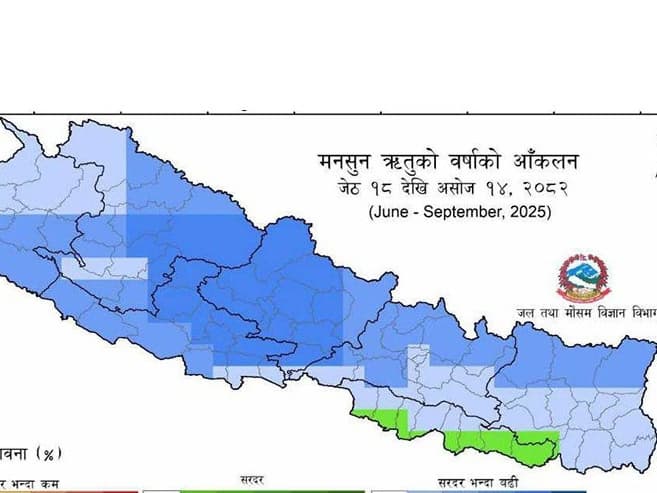
According to a recent report by the Department of Hydrology and Meteorology, Nepal is expected to experience above-average rainfall and temperature during the 2025 monsoon. This weather anomaly poses serious risks to those venturing into the mountains, especially in areas prone to landslides, flash floods, and trail disruptions. Trekkers, guides, and travel companies must take these warnings seriously to avoid accidents and ensure safety.
Understanding the Annapurna Region
The Annapurna region lies in north-central Nepal and includes a range of trekking routes catering to different experience levels. The three most popular treks are:
Annapurna Circuit Trekking
One of the most famous long-distance treks globally, the Annapurna Circuit Trekking spans around 160-230 km, depending on the start and endpoint. It usually takes 14-21 days to complete. The route circles the Annapurna Massif and passes through varied terrain—from subtropical forests and rice paddies to high-altitude deserts.
Key highlights:
Thorong La Pass (5,416 meters), the highest point of the trek
Manang and Muktinath, culturally rich Himalayan villages
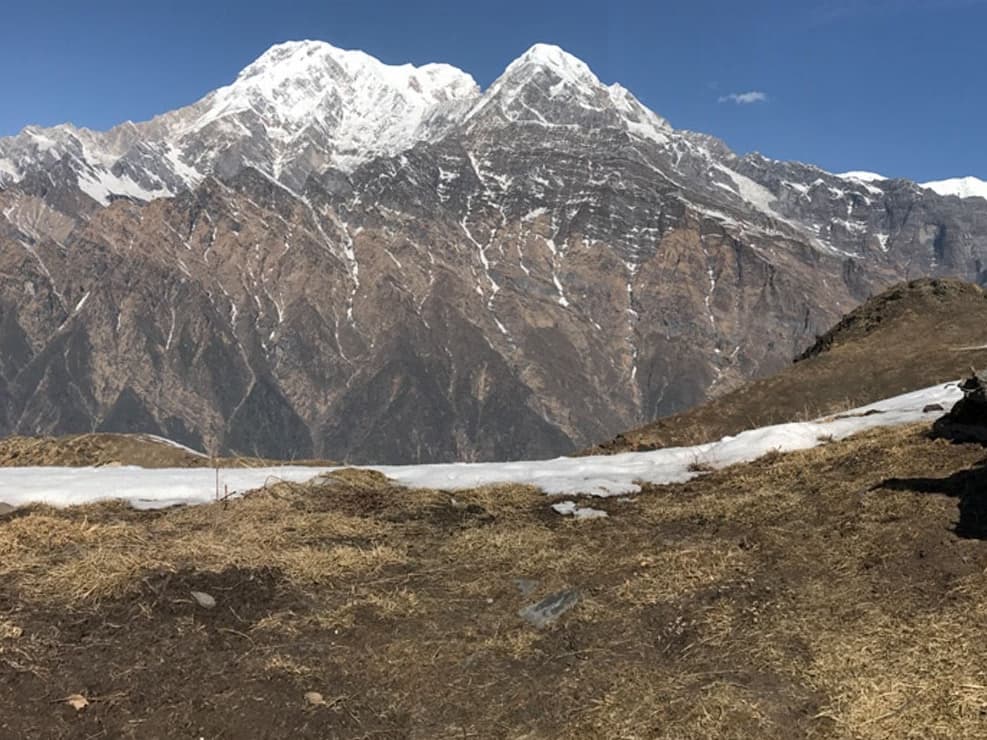
Panoramic views of Annapurna I, III, Gangapurna, Dhaulagiri, and more
Annapurna Base Camp (ABC) Trekking
Shorter than the Circuit, the ABC trek usually takes 7-12 days. It ascends through lush forests, terraced fields, and into the Annapurna Sanctuary—a high glacial basin surrounded by towering peaks.
Key highlights:
Views of Annapurna I (8,091 m), Machapuchare, and Hiunchuli
Natural hot springs at Jhinu Danda
Culturally vibrant villages like Chhomrong and Ghandruk
Mardi Himal Trekking
A relatively new and quieter route, the Mardi Himal Trek takes 5-7 days and offers a close-up view of Machapuchare (Fishtail) and Mardi Himal. It starts from Kande or Phedi and ascends through rhododendron forests to an alpine ridge with breathtaking views.
Key highlights:
Low crowd density compared to other trails
Stunning sunrise and sunset vistas
Opportunities for homestay experiences in traditional villages
Monsoon 2025: Above-Average Rainfall and Heat
This year’s monsoon is predicted to be more intense than usual, with both higher rainfall and temperatures across the region. The combination of moisture and heat creates an ideal environment for natural hazards, particularly in mountainous areas. According to meteorological reports, Nepal could see prolonged rainfall episodes, cloudbursts, and extreme humidity lasting from June through early September.
Key Weather Concerns:
Landslides: Saturated soils and unstable slopes can trigger deadly landslides, especially on narrow mountain trails.
Flash Floods: Rivers and streams can swell unexpectedly, washing away bridges and paths.
Trail Erosion: Constant rain degrades trail conditions, making routes slippery and difficult to navigate.
Leeches and Insects: Wet conditions increase the number of leeches and other insects, which can be a significant nuisance.
Limited Visibility: Dense fog and rain can obscure trails and landmarks, increasing the risk of getting lost.
Specific Risks on Major Treks
Annapurna Circuit
The section between Jagat and Chame is particularly vulnerable to landslides during heavy rains.
Thorong La Pass may become treacherous due to poor visibility and wet snow at high elevations.
Road access may be cut off in places like Besisahar or Jomsom, complicating evacuation or rescue efforts.
Annapurna Base Camp
The trail from Chhomrong to Deurali traverses a narrow gorge that is prone to landslides and falling rocks during monsoon.
Flooding in the Modi Khola can wash out bridges, isolating trekkers.
The risk of hypothermia increases as wet clothing and cool temperatures combine at higher altitudes.
Mardi Himal
The dense forest sections become slippery and dangerous under constant rain.
The ridgeline can be exposed during thunderstorms, posing lightning risks.
The lesser-developed nature of this trail means fewer safety and communication facilities.
Safety Precautions and Alternatives
Planning and Preparation:
Avoid monsoon treks if possible. If you must go, choose lower-altitude treks or consider trekking in the rain shadow areas like Upper Mustang or Dolpo.
Consult local authorities and guides for the latest trail conditions before and during the trek.
Carry weather-resistant gear, including waterproof boots, a sturdy rain jacket, and quick-dry clothing.
Pack insect repellent and salt or detergent to deal with leeches.
Travel insurance that covers emergency evacuation is essential.
Choosing the Right Time:
The best trekking seasons are pre-monsoon (March-May) and post-monsoon (late September-November).
If traveling during the monsoon is unavoidable, plan shorter treks and stay updated on daily weather forecasts.
Environmental and Community Impact
Trekking during the monsoon not only endangers trekkers but can also put a strain on local communities and rescue services. In remote areas, resources are limited, and one emergency can divert critical manpower and supplies.
Furthermore, damaged trails and infrastructure due to unseasonal trekking can prolong recovery and maintenance times, affecting the tourism economy when peak season resumes.
Final Thoughts
The allure of the Annapurna region is undeniable. Its dramatic mountain scenery, rich biodiversity, and cultural vibrancy make it a dream destination for trekkers. However, in light of the 2025 monsoon forecast, caution is more important than ever.
Nature’s beauty often comes with hidden dangers, and in the mountains, conditions can change rapidly. The wise trekker is not only adventurous but also prepared and informed. If you're planning a trip to Annapurna this year, consider postponing until the weather stabilizes or choosing safer alternatives. Your safety—and that of those around you—depends on it.
Stay safe, stay informed, and let the Himalayas welcome you in their best season. Keep updated with the news and blogs from trusted sources.
Sources:
Department of Hydrology and Meteorology, Nepal
Local trekking guides and environmental experts
Travel writer at Shiva Excursion
Related Stories
Continue reading more travel guides and tips