
Trekkers from all over the world find heaven in the Annapurna Region of Nepal, which is tucked away in the gorgeous Himalayas.
With some of the world's highest peaks surrounding it, this region provides a stunning diversity of scenery, from lush green forests to barren high alpine deserts.
While trekking in Annapurna, you will be able to take in the stunning scenery as well as the diverse cultural heritage of the surrounding areas.
The Annapurna Region has a lot to offer, regardless of your level of experience hiking or adventuring.
As we explore the several facilities you can anticipate while hiking this stunning region, we hope you have an enjoyable trip.
The Annapurna Region of Nepal
The Annapurna region, which is situated in the north-central area of Nepal, is a trekker's dream destination, renowned for its breathtaking mountain views, varied topography, and rich history and culture.
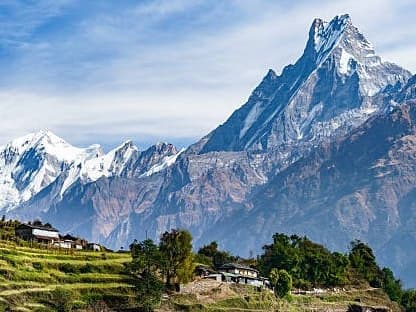
Overlooked by the Annapurna Massif, which is home to the 8,091-meter-high Annapurna I, the tenth-highest mountain in the world, the area has some of the most breathtaking and easily accessible hiking trails.
Trekkers will find an ever-changing and fascinating environment as a result of the wide ranges in the terrain, spanning from alpine meadows and high-altitude deserts to subtropical forests and terraced farmland.
The Annapurna Circuit, Annapurna Base Camp, Ghorepani Poon Hill, and the less popular Mardi Himal Trek are just a few of the area's well-known hiking routes.
Trekkers of all skill levels can enjoy the variety of experiences that these routes provide, ranging from easy, short walks to strenuous, extended treks. The Annapurna region is a great place to explore.
One of the highlights is the 5,416-meter-high Thorong La Pass, one of the world's highest hiking crossings that offers breathtaking panoramic vistas and a sense of great accomplishment to those who cross it.
Accommodation Facilities in Annapurna Region
The Annapurna region in Nepal has a variety of lodging options to meet the various demands of hikers, ranging from more luxurious hotels to more affordable teahouses. Here are some of the main categories of accommodations that are offered.
Teahouses
Trekking in the Annapurna region is a special way to see both the stunning Himalayan landscapes and the native way of life. A teahouse stay is one of the most genuine ways to experience this.
Trekkers can stay in these modest, family-run hotels that offer simple yet cozy lodging. Teahouses, which are usually constructed from local materials, provide a warm haven from the sometimes severe mountain weather.
Typically, rooms are compact with twin beds and a common bathroom. Teahouses, however, more than make up for their lack of luxury with their warmth and authentic Nepalese hospitality.
Lodges
Trekkers looking for a blend of modern amenities and traditional charm can find a cozy and hospitable lodging alternative at the Annapurna region's lodges.
These lodges usually provide trekkers with individual rooms, many of which have toilets attached, as well as shared dining spaces where they can enjoy a range of meals.
In addition, some lodges provide limited power, Wi-Fi, and hot showers, which improves the whole trekking experience.
These hotels, which are strategically located along well-traveled trekking routes, provide the necessities for trekkers while letting them fully experience the breathtaking natural surroundings and lively local culture.
Food and Water Facilities in Annapurna Region
On any trek, it's important to stay hydrated and fed, but this is especially true in the difficult terrain of the Annapurna region.
Teahouses scattered along the trekking pathways serve a range of dishes, the mainstay being the rich-nutrient dal bhat.
Many teahouses provide Western food, including spaghetti and pancakes, and are used to hosting international hikers.
To prevent dehydration, it's important to consume water regularly. Although you can buy bottled water along the trails, treating your water with a water filter or purification tablets is a more environmentally friendly option.
This guarantees that you always have access to water and also contributes to the reduction of plastic waste.
Transportation Facilities in Annapurna Region
Trekking in Nepal's most stunning regions is found in the Annapurna area. You will, however, have to make your way via the numerous transit alternatives to get to these amazing trails.
Transportation for Reaching the Region
Flights to Pokhara: This is the most popular route to the Annapurna area. The beautiful lakeside city of Pokhara serves as a main entry point to the Annapurna trekking region. There are daily flights from Kathmandu that, on a clear day, give breathtaking views of the mountains.
Busses: Tourist buses go from Kathmandu to Pokhara and are an affordable choice. The trip takes around six to seven hours, and during that time you could catch a peek into Nepali culture. There are public buses as well, although they can get packed and move more slowly.
Transportation Within the Region
Jeeps: The primary mode of transportation from Pokhara to trailheads is a jeep. They can be shared with other hikers or leased on a private basis. Jeeps are frequently used to travel between Pokhara and popular trekking routes like Pokhara to Jomsom (Annapurna Circuit Trek) and Nayapul (Annapurna Base Camp Trek).
Private Vehicles: Renting a private car or van might be a practical and pleasant choice if you're traveling with a group. This makes pauses along the journey and greater flexibility possible.
Local Transportation: Local microvans or tempos that provide short-distance transportation can also be found in several of the region's settlements. These might become busy, but they are reasonably priced.
Communication Facilities in Annapurna Region
Over time, communication infrastructure in Nepal's major hiking destination, the Annapurna area, has improved significantly.
Trekkers are given a range of communication options to remain in touch with the outside world, even in this remote and difficult environment.
Major networks such as Ncell and Nepal Telecom have extended their mobile phone service to many sections of the region, including important locations along the trekking routes.
While service in villages and famous destinations like Ghorepani, Ghandruk, and Annapurna Base Camp is typically dependable, it might be inconsistent in more remote locations.
Wi-Fi is available in many teahouses and hotels; however, the speed and stability can vary, frequently becoming slower and less reliable at higher elevations.
Trekkers in the Annapurna region also have the option of using satellite phones, particularly in places where cell network service isn't accessible. When going through very distant areas or in emergency situations, these gadgets guarantee that contact is feasible.
For those who want more dependable internet connectivity, there is also an alternative in the form of internet cafés located in bigger villages and towns along the hiking routes.
Trekkers in the Annapurna region also have the option of using satellite phones, particularly in places where cell network service isn't accessible.
When going through very distant areas or in emergencies, these devices guarantee that contact is possible.
For those who want more dependable internet connectivity, there is also an alternative in the form of internet cafés located in bigger villages and towns along the trekking routes.
Medical Facilities in Annapurna Region
A network of medical services for both locals and tourists is available in the Annapurna region. Important facilities can be found in bigger cities and villages, including Manang, Chame, and Jomsom.
These include hospitals, minor clinics, and health posts. These facilities offer emergency services as well as general medical care and treatment for altitude sickness.
Furthermore, a few teahouses and hiking lodges provide oxygen cylinders and first aid supplies. Helicopters evacuate individuals with more serious, critical medical conditions to Pokhara or Kathmandu for better-equipped facilities.
The area's medical infrastructure is continuously developing to assist the health and safety of visitors to the Annapurna Circuit, despite the difficult terrain and isolated areas.
Restroom and Shower Facilities in Annapurna Region
The location and kind of lodging determine the amenities available for bathrooms and showers in the Annapurna area.
Trekkers can find guesthouses and lodges with hot showers and toilets in larger settlements like Jomsom and Manang, as well as in more developed regions like Pokhara.
Facilities often become more modest as you go into more isolated and higher altitude locations.
Squat toilets are common at teahouses, and basic, cold water sources may be used for showers. Trekkers should be ready for fewer water supplies and perhaps cooler weather as they ascend, though.
Despite the variations, nearby lodging attempts to uphold hygienic standards and provide the necessary conveniences to guarantee a pleasant hiking experience.
Get ready to enjoy the facilities of the region
In addition to taking hikers through some of the most breathtaking scenery on earth, the Annapurna Region offers many facilities to make sure that their trip is pleasant and unforgettable.
Everything about this location, from the dependable lodging choices and well-kept routes to the friendly locals, makes for an excellent trekking experience.
The Annapurna Region extends a warm welcome to all hikers, regardless of experience level, promising an incredible adventure deep within the Himalayan Mountains.
As you travel through this amazing region of the world, keep in mind to respect the local cultures and the natural environment.
Travel writer at Shiva Excursion
Related Stories
Continue reading more travel guides and tips