
Before trekking in Nepal, it's important to be prepared. Understand the altitude challenges and ensure your physical fitness. Obtain the necessary permits, such as the TIMS card and national park permits. Pack appropriately for unpredictable weather, including layers and quality trekking gear. Take time to acclimatize and prevent altitude sickness. Consider hiring a licensed guide for safety, navigation, and cultural insights. Respect the local culture, customs, and traditions. Interact respectfully with the local communities you encounter. By taking these precautions, you can have a safe and enriching trekking experience in the breathtaking landscapes of Nepal. Here are the 8 major things you should know before you trek in Nepal.
Best Seasons/ time to travel
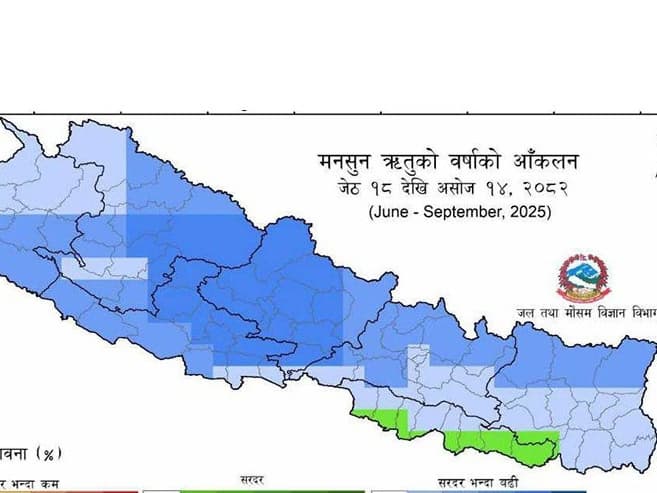
Time of travel make huge difference on trekking in Nepal. Different trek may have different time frame for greater experience but March, April, May, September, October, and November is consider as best time to trekking in most of the routes. If you are looking for Upper Mustang Trekking, Upper Dolpo Trekking than June, July, and August is favorable season as very less rain is expected on those region. December, January, and February are good time for short and low elevation trekking like Ghorepani Poonhill Trek, Mardi Himal Trek, Langtang Valley Trek, and hiking around Kathmandu. Time makes difference as per the trekking area.
Bag pack
To prepare your backpack for trekking, start by choosing a suitable backpack and creating a checklist. Pack lightweight, moisture-wicking clothing and layerable items. Include a compact sleeping bag, sleeping pad, and high-energy snacks. Carry navigation tools, a headlamp, whistle, multi-tool, and a first aid kit. Pack personal items, toiletries, sunscreen, and necessary documents. Distribute weight evenly and use packing cubes for organization. Test the loaded backpack for comfort. Remember to pack only essential items to keep the weight manageable. Seek advice from experienced trekkers or guides for specific trek requirements. The requirements could have difference on different trekking zone. Checkout Equipment checklist for more knowledge of backpack.
Know about altitude
Understanding altitude is crucial before trekking in Nepal due to the presence of high mountains. Nepal is known for its challenging terrains and high altitudes, which can pose risks such as altitude sickness. By comprehending the effects of altitude and its associated risks, trekkers can take appropriate precautions, plan for proper acclimatization, and recognize the symptoms of altitude-related illnesses, ensuring a safer and more enjoyable trekking experience in Nepal's breathtaking landscapes. Underestimating altitude while trekking in Nepal can have severe consequences. High altitudes bring lower oxygen levels, making it harder for the body to function. This can lead to altitude sickness, including symptoms like headaches, nausea, and even life-threatening conditions like high altitude pulmonary or cerebral edema. Proper acclimatization and gradual ascent are essential to mitigate these risks. Underestimating altitude can jeopardize your health and safety, highlighting the importance of respecting and understanding the challenges that come with trekking at high elevations in Nepal.
Hope for best and prepare for worst
Preparing for the worst situations while trekking in Nepal is essential to ensure your safety and well-being. Unforeseen events like altitude sickness, weather challenge, and natural disaster or health emergencies can occur. By being prepared with travel insurance, emergency contacts, basic first aid knowledge, and contingency plans, you can better navigate unexpected challenges and protect yourself in unfamiliar environments.
Eat, drink and sleep
Eating, drinking, and sleeping are essential aspects of trekking for maintaining energy, hydration, and overall well-being. Neglecting these aspects can lead to fatigue, muscle cramps, dehydration, and decreased performance. It is important to prioritize regular meals, proper hydration, and sufficient sleep to optimize your trekking experience and ensure your well-being along the journey.
Eating
Trekking requires significant physical exertion, and proper nutrition is vital to sustain energy levels. Consuming balanced meals and snacks rich in carbohydrates, proteins, and healthy fats provides the necessary fuel for trekking long distances and overcoming challenging terrains.
Drinking
Staying hydrated is crucial during trekking, especially at higher altitudes where the air is drier and dehydration risks are higher. Drinking an adequate amount of water helps regulate body temperature, supports physical performance, and prevents altitude-related illnesses. It is important to drink water regularly, even if you don't feel thirsty. 3-4 liters of water per day is recommended to drink in a day during the trekking.
Sleeping
Adequate rest and sleep are crucial for recovery and maintaining stamina during a trek. Trekking can be physically demanding, and quality sleep allows the body to repair and rejuvenate. A good night's sleep also contributes to mental alertness, focus, and overall trekking enjoyment. Around 8 hours of sleeping is consider as good sleeping in Trekking.
Know the cultural respect
Nepal is a culturally rich country with diverse traditions. The predominant culture is a blend of Hindu and Buddhist practices. The people of Nepal celebrate various festivals, including Dashain and Tihar, and their daily lives are influenced by religious rituals, vibrant music, dance, art, and warm hospitality. To show cultural respect in Nepal, dress modestly, especially in religious sites. Remove your shoes before entering temples and homes. Greet locals with "Namaste" and use your right hand for gestures. Seek permission before taking photographs. Respect local customs, traditions, beliefs, and be open to learning and embracing the local culture.
Carry enough cash
Carrying enough cash during trekking in Nepal is essential due to several reasons. Firstly, remote trekking routes do not have access to ATMs or card payment facilities, making cash the primary form of payment. You'll need cash to pay for accommodation, meals, permits, and any additional services along the trek. Secondly, fluctuations in network connectivity and power outages can affect electronic payment options, rendering cards unreliable. Having cash ensures you can make necessary purchases without dependence on technology.
Furthermore, some rural areas or villages operate on a cash-based economy, where card payments are not accepted. In such cases, having sufficient cash is vital for your transactions. It's also advisable to carry smaller denominations of Nepali currency (Nepalese Rupees) as it may be challenging to find change for larger bills in remote areas. Overall, carrying enough cash provides a safety net and ensures you have the means to meet your essential needs and handle unexpected situations while trekking in Nepal.
Rules, regulations, and paper work
The rules and regulations of the trekking is mandatory to know for any trekkers. There are different regions where you have to take special permit for trekking like Upper Mustang trekking, Manaslu Circuit Trekking, Upper Dolpo Trekking etc. and you need licensed holder guide on this regions. As per the recent notice of Tourism Board of Nepal no solo/free individual trekkers are allowed to trek that means they have to bring the guide on trekking. After choose the destination you have know the required permits, TIMS, national park fee, maps, etc. about the region.
Travel writer at Shiva Excursion
Related Stories
Continue reading more travel guides and tips